

Do Air Purifiers Really Work? What the Research Actually Shows
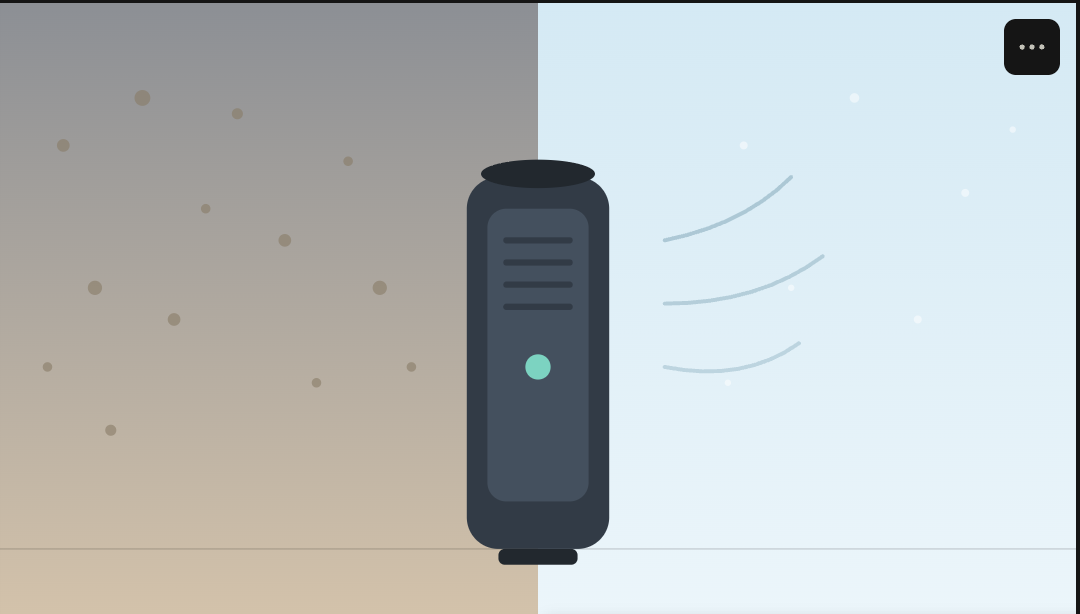
Do air purifiers really work, or are they hype? Here's what peer-reviewed studies say about HEPA filters, PM2.5 reduction, allergies, heart health, and what these devices can't do.
Guides, research and plain-language explainers on the air we breathe — from Diwali spikes to GRAP stages.

Do air purifiers really work, or are they hype? Here's what peer-reviewed studies say about HEPA filters, PM2.5 reduction, allergies, heart health, and what these devices can't do.

Learn how the Air Quality Index (AQI) affects heart health, what the research says about air pollution and cardiovascular disease, and practical steps to protect your heart.

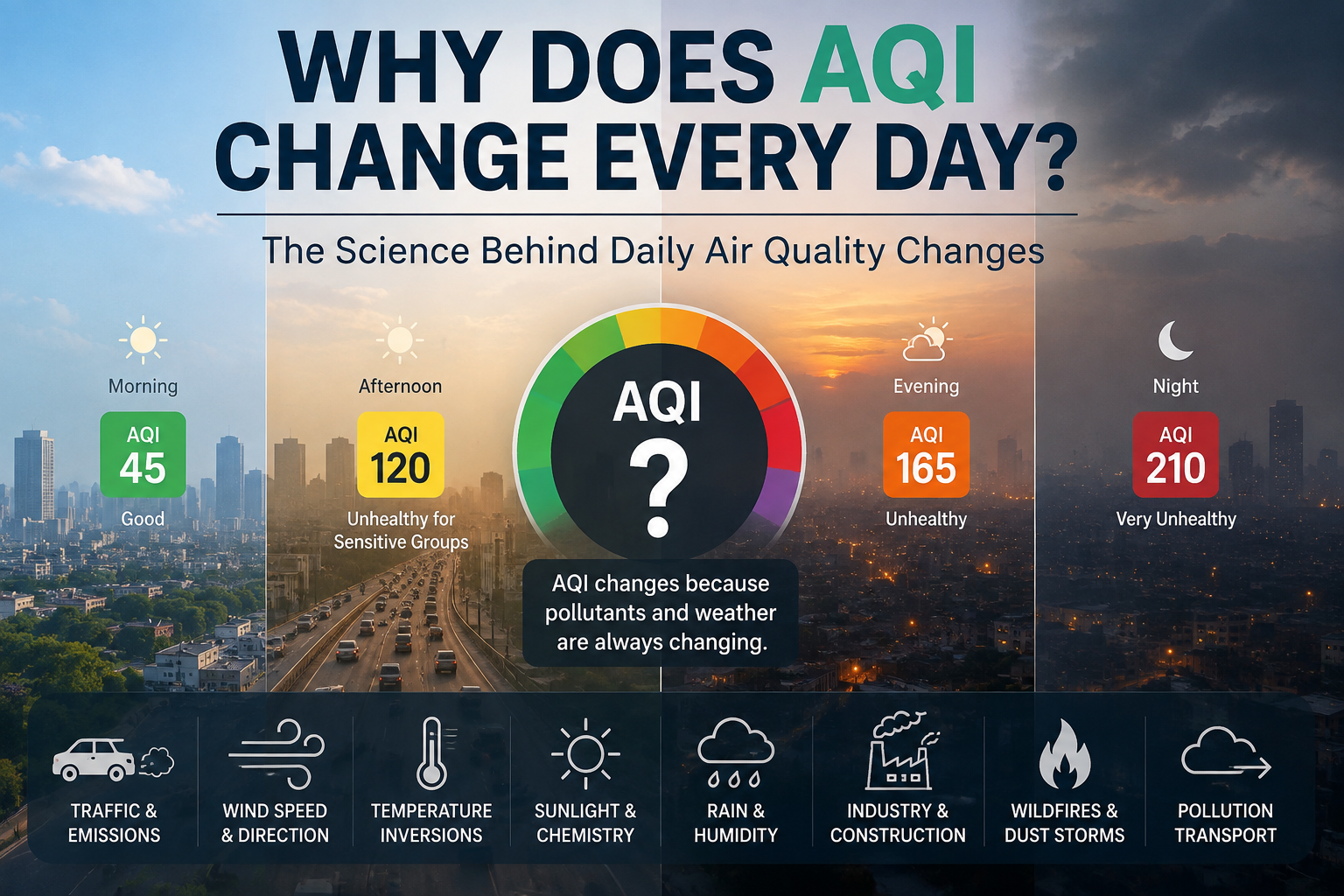
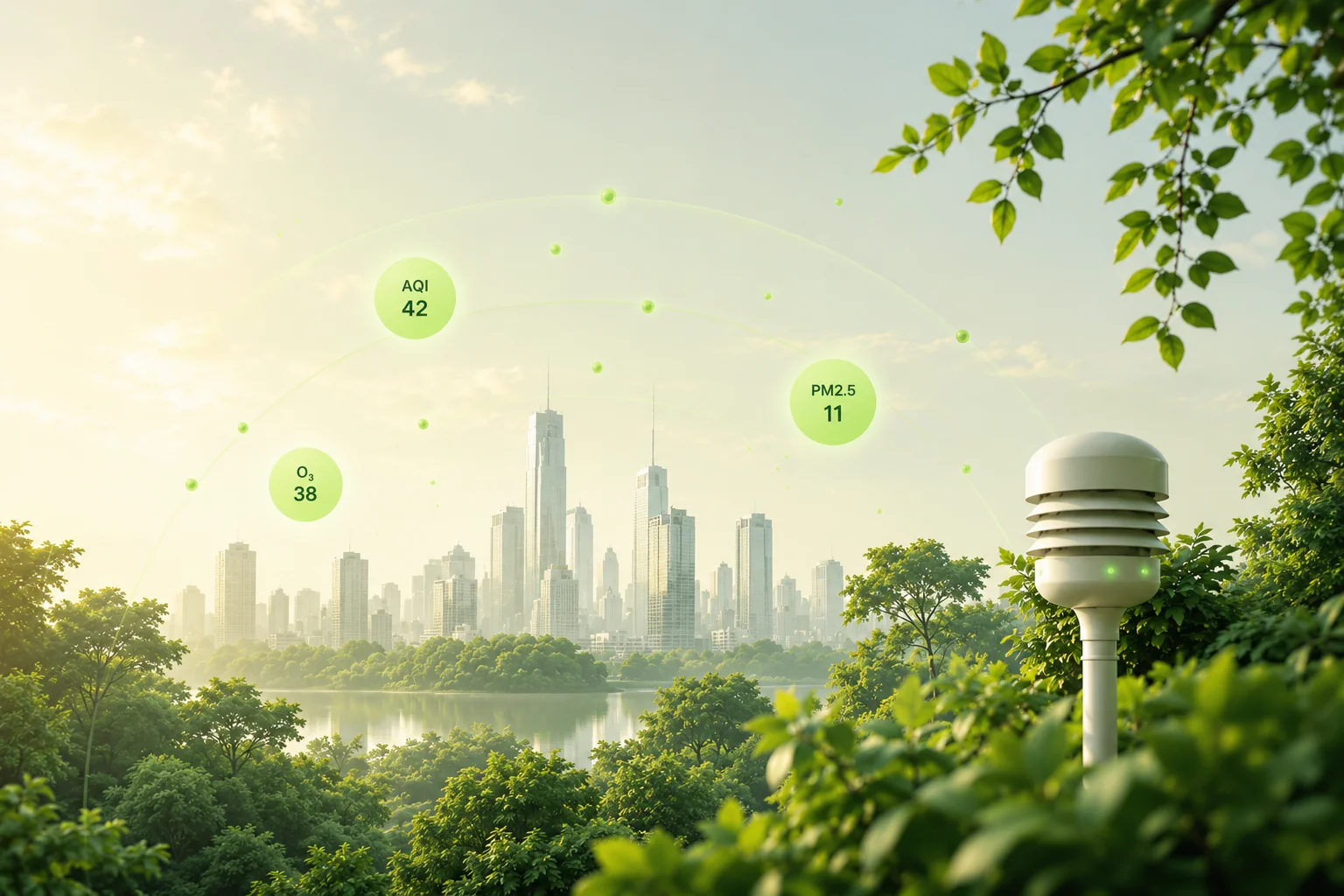
AQI can change dramatically from one day to the next—and sometimes within just a few hours. Weather, traffic, wind, temperature inversions, sunlight, rain, wildfires, dust, and atmospheric chemistry all influence how pollutants build up, disperse, or transform. In this guide, discover the science behind daily AQI changes, which pollutants drive them, and how to understand what today’s AQI really means for you.

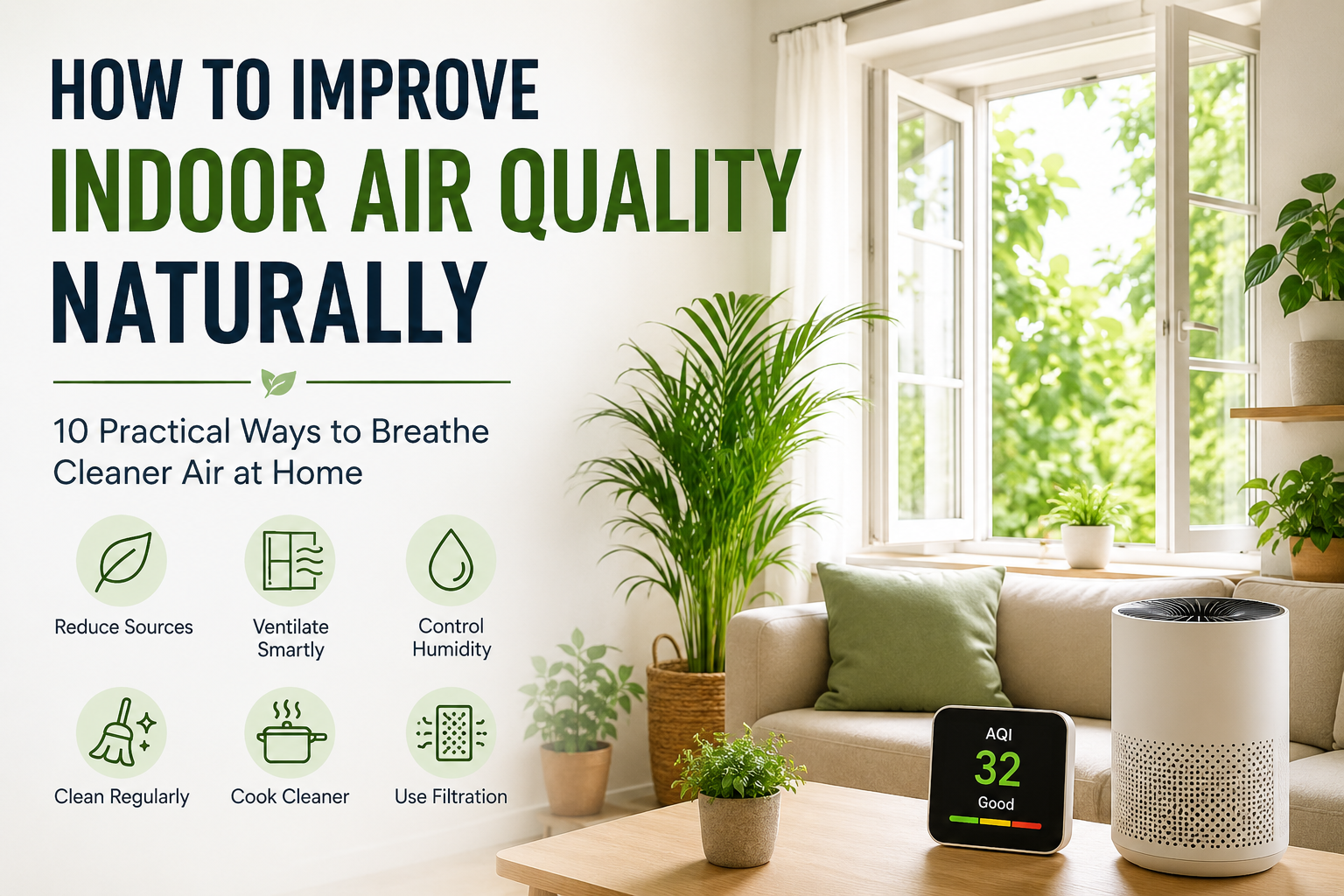
Learn how to improve indoor air quality naturally with simple, evidence-based steps. Discover how ventilation, humidity control, cleaner cooking, regular cleaning, low-VOC products, and proper filtration can help create healthier indoor air.

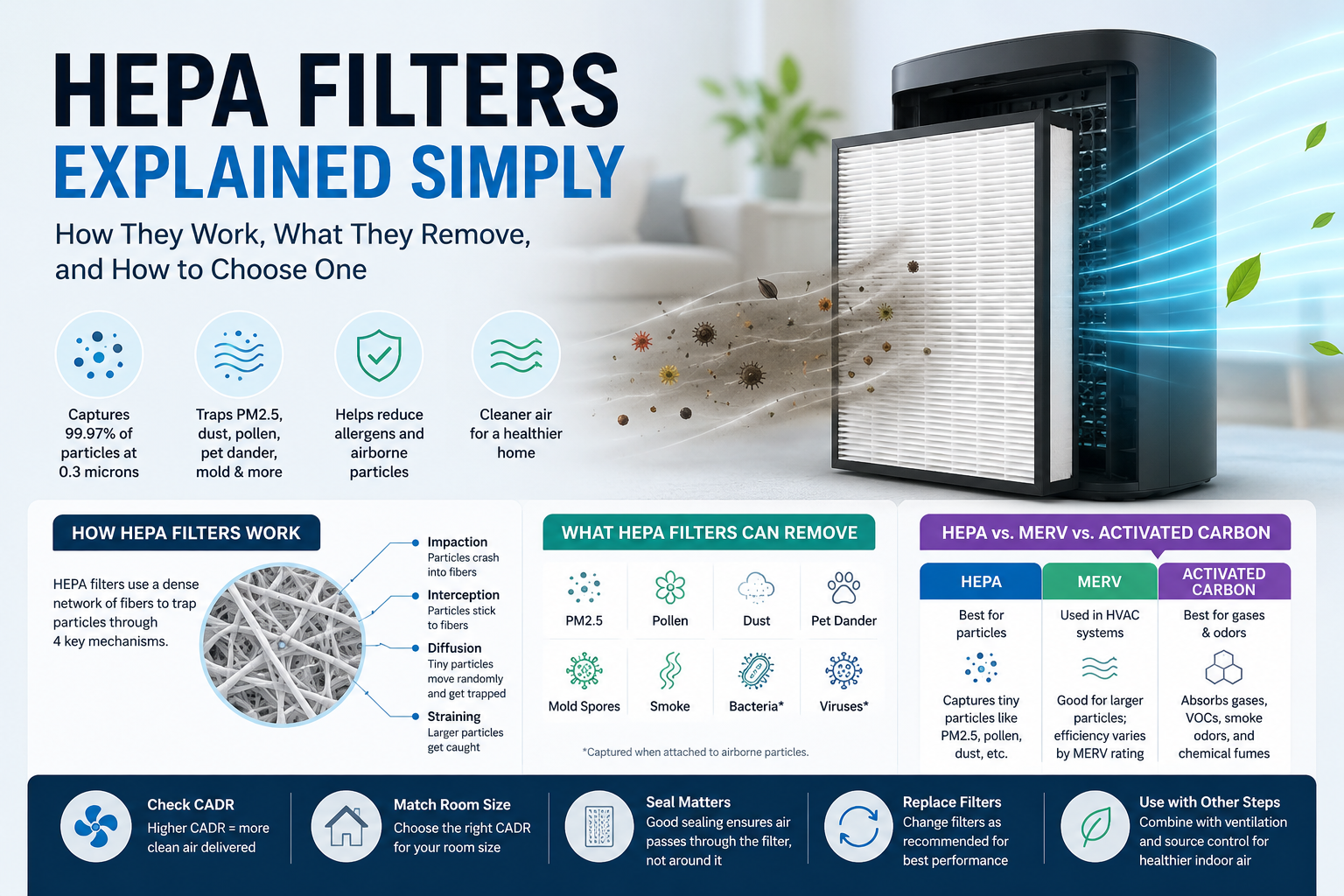
Learn how HEPA filters actually work, what the famous 99.97% efficiency rating means, and why 0.3 microns isn't the smallest particle a HEPA filter can capture. This simple guide explains HEPA vs. MERV and activated carbon, what HEPA filters can remove, how CADR affects real-world performance, and what to look for when choosing an air purifier.

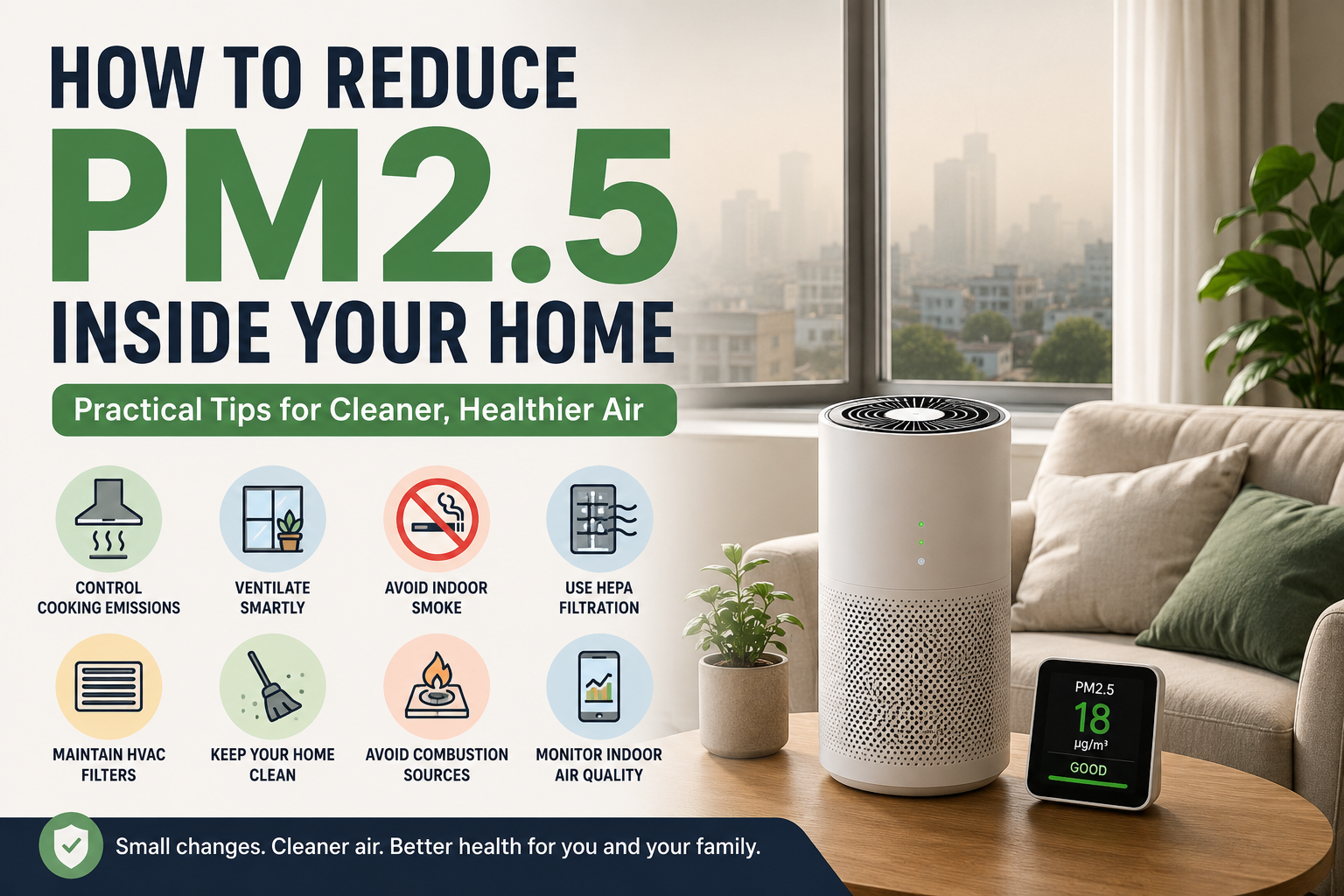
Learn practical, evidence-based ways to reduce PM2.5 inside your home. Discover how cooking, outdoor pollution, ventilation, air purifiers, HEPA filters, and HVAC filtration affect indoor air quality—and what you can do to breathe cleaner air.

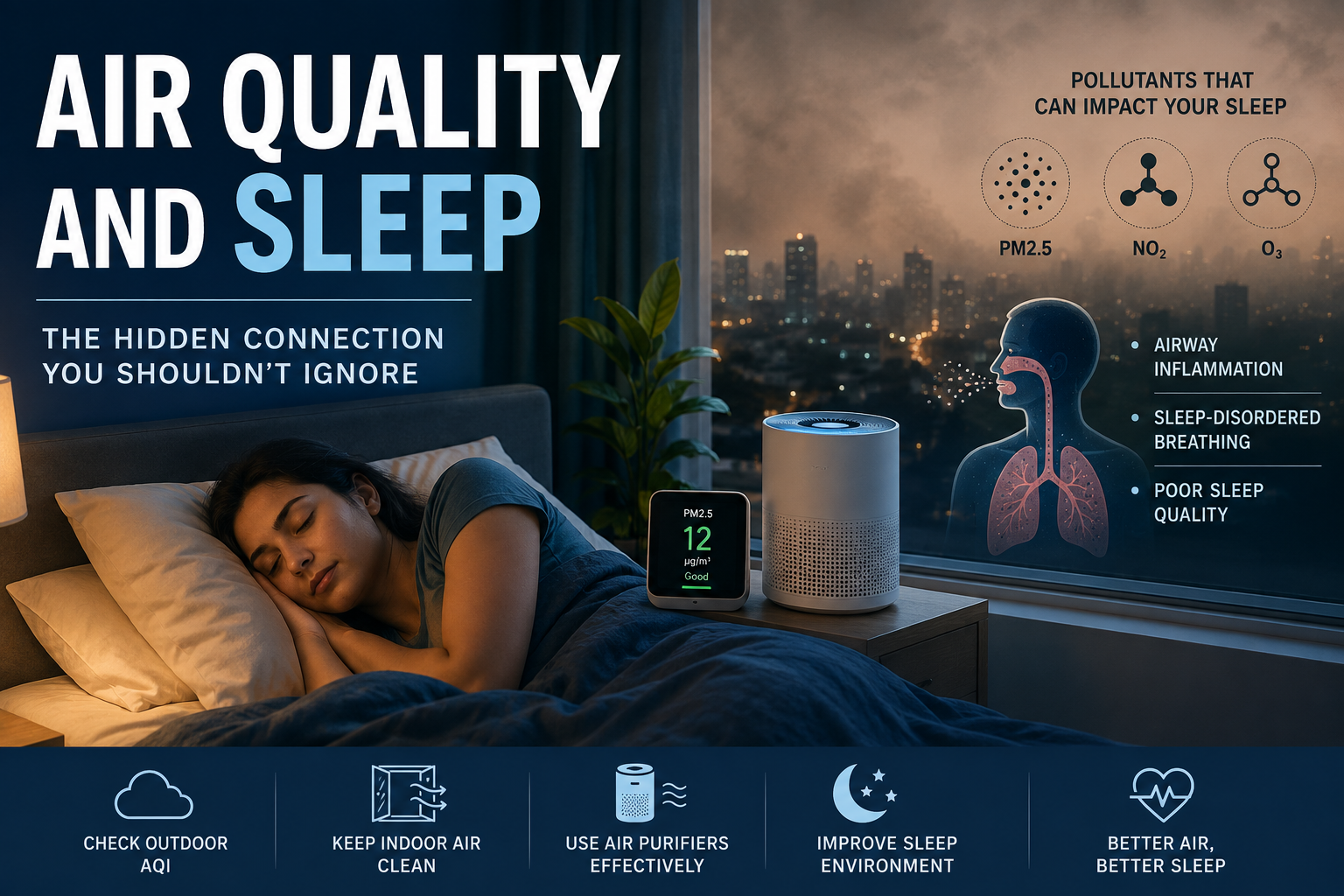
Can poor air quality affect your sleep? Research increasingly links exposure to pollutants such as PM2.5 and nitrogen dioxide (NO₂) with sleep-disordered breathing and obstructive sleep apnea. Discover what the latest scientific evidence says about air pollution, indoor air quality, sleep quality, and practical ways to reduce exposure while you sleep.

Indoor vs outdoor air quality is a growing concern as pollution levels continue to rise. While many assume outdoor air is more harmful, indoor air can often be more polluted due to poor ventilation, household chemicals, and trapped particulate matter like PM2.5. Understanding how the Air Quality Index (AQI) works and the key differences between indoor and outdoor environments can help you take effective steps to protect your health.

Learn how air pollution and sleep are connected, how PM2.5 affects sleep quality, and practical ways to sleep better during high AQI days.
Real-time air quality insights. Healthier choices. A better tomorrow — free, and no account needed.